Heat Pump vs Furnace 2026: A Tech's Honest Comparison
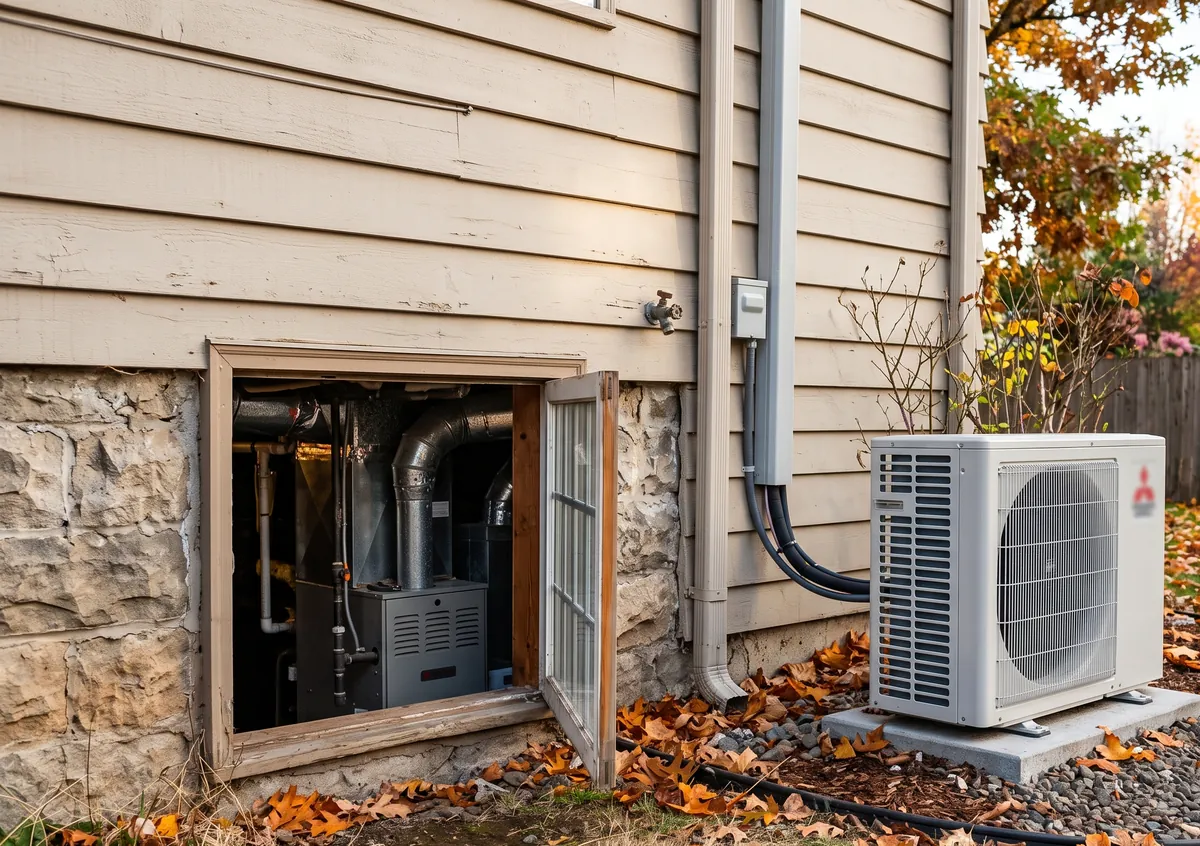
Heat pump vs furnace: a heat pump moves heat and is more efficient in mild and moderate climates, while a gas furnace makes heat by burning fuel and stays cheaper to run where winters are long and brutal or gas is cheap, so the right pick comes down to your climate, your fuel prices, and whether you go dual-fuel.
I've installed both for 18 years, in cold winters and hot summers, in all-electric houses and gas-heated ones. The "heat pump vs furnace" question gets a lot of heated opinions and not much honest math. Some folks treat heat pumps like they don't work in winter (they do now). Others treat them like they're free to run (they're not, everywhere). Let me lay out how each actually works and how to decide based on where you live.
How Each One Works
This is the core difference, and it explains everything else.
A furnace makes heat. It burns natural gas, propane, or oil, or it runs electric resistance coils, and it blows the resulting warm air through your ducts. Simple, powerful, and it doesn't care how cold it is outside. The downside: you're paying for every BTU you create, and gas furnaces top out around 96% to 98% efficient (AFUE). You never get more heat out than the fuel you put in.
A heat pump moves heat. It's an AC that can run backwards. In summer it pulls heat out of your house. In winter it reverses and pulls heat out of the outdoor air (yes, even cold air has heat in it) and brings it inside. Because it's moving heat rather than burning fuel, it can deliver two to four units of heat for every unit of electricity. That's why people say it's "over 100% efficient." It's not magic, it's just moving energy instead of creating it.
The catch used to be cold weather. As it got colder, older heat pumps lost capacity and leaned on expensive backup heat. That's the part that's changed.
The Cold-Climate Heat Pump Difference
If your only experience with heat pumps is a wheezy unit from 2005 that couldn't keep a house warm in January, the technology has moved on. Modern cold-climate heat pumps use variable-speed inverter compressors that hold most of their heating capacity well below freezing, many down into negative single digits Fahrenheit and lower.
These are not the same machines. A standard heat pump and a cold-climate heat pump can look identical from the curb, but the cold-climate model keeps producing real heat where the standard one would have handed off to the backup strips. The Department of Energy's guide to heat pump systems backs this up: modern cold-climate units now hold useful capacity far below the temperatures that crippled the older generation. In northern climates, the cold-climate rating is the whole question. Buying a standard heat pump for a cold region is how you end up with that doubled winter electric bill, because the electric backup heat does most of the work.
So when someone says "heat pumps don't work up north," what they usually mean is "a cheap heat pump installed without a cold-climate unit or proper backup doesn't work up north." Spec'd right, they do.
Operating Cost: The Honest Comparison
This is where it gets local, and where I refuse to give you a blanket answer.
Heat-pump operating cost depends on your electricity price. Furnace operating cost depends on your gas (or propane, or oil) price. The winner flips depending on which is cheaper in your area and how cold your winters are.
- Cheap electricity, mild winters: heat pump wins clearly. It sips power and rarely needs backup.
- Expensive electricity, cheap gas, brutal winters: a high-efficiency gas furnace often wins on running cost. The heat pump would be fighting the cold and leaning on costly backup heat.
- Propane or oil heat: these fuels are usually expensive, so a heat pump frequently beats them even in colder climates.
- All-electric home with no gas line: a heat pump beats electric-resistance heat every time. It's not close. Resistance heat is the most expensive way to heat there is, and a heat pump does the same job for a fraction of the electricity.
Run your own numbers with your actual utility rates before you believe anybody's blanket claim. The honest answer to "which is cheaper to run" is "it depends on your fuel prices."
Dual-Fuel: The Best of Both
Here's the setup I install for a lot of customers in mixed climates, and it solves the cost argument: dual-fuel, also called a hybrid system. You pair a heat pump with a gas furnace. The heat pump handles heating most of the year, when it's efficient. When the temperature drops below a crossover point where gas becomes cheaper, the system automatically switches to the furnace.
You get heat-pump efficiency in the shoulder seasons and gas-furnace muscle in the deep cold, and the thermostat manages the handoff. It costs more upfront because you're buying two heating sources, but in the right climate it's the lowest combined operating cost available. If you have an existing gas furnace in good shape and you're replacing the AC anyway, adding a heat pump to make it dual-fuel is often a smart move.
Upfront Cost, Lifespan, and Maintenance
| Factor | Gas furnace | Heat pump |
|---|---|---|
| Typical installed cost | $4,000 to $7,500 | $9,500 to $18,000 (system) |
| Does both heating and cooling | No (needs separate AC) | Yes |
| Efficiency in mild weather | Fixed by AFUE | Very high |
| Efficiency in deep cold | Unaffected | Lower, may need backup |
| Typical lifespan | 15 to 20 years | 12 to 16 years |
| Maintenance | Annual, combustion safety | Annual, runs year-round |
A heat pump costs more upfront, but remember it replaces both your furnace and your AC, so compare it against a full furnace-plus-AC system, not against a furnace alone. On that basis the gap narrows. Heat pumps tend to have shorter lifespans because they run all year instead of just one season, so they accumulate hours faster. For a full breakdown of installed pricing, see our HVAC replacement cost guide.
One product note: whichever you install, protect it. The control boards in modern variable-speed heat pumps and furnaces are sensitive, and a good HVAC surge protector on the outdoor unit is cheap insurance against the voltage spikes that fry them.
Rebates and Tax Credits in 2026
Don't sign anything before you check incentives, because they can move the math a lot. As of 2026 the federal 25C energy-efficiency tax credit covers 30% of the cost of a qualifying heat pump, up to a $2,000 annual cap, when you install a unit that meets the efficiency tier. The ENERGY STAR rebate and tax-credit finder lays out the qualifying tiers, and it's worth confirming the model against it before you sign. On top of that, many utilities and states offer their own heat-pump rebates, sometimes worth thousands more.
These incentives generally favor heat pumps over furnaces, which can flip a close decision. Have your contractor tell you exactly which models qualify, and get it in writing. A good installer knows the current tiers; if they shrug at the question, that's a flag, and our guide on how to find a good HVAC contractor covers the rest of the vetting.
Comfort and the Day-to-Day Feel
Numbers aside, the two systems feel different in the house, and that's worth knowing before you commit.
A gas furnace delivers hot air. The supply temperature off a furnace runs warm, often 120 to 140 degrees at the register. It heats a room fast and the air feels toasty coming out. The tradeoff is bigger temperature swings: the furnace blasts, satisfies the thermostat, and shuts off, so you get a warm-then-cool rhythm, especially with a single-stage unit.
A heat pump delivers warm air, not hot air. The supply temperature is lower, often in the 90s, which is still well above body temperature but feels cooler if you stand at the vent expecting a furnace blast. People new to heat pumps sometimes think it's not working because the air isn't scorching. It is working; it's just running longer at a gentler output. That longer, steadier run is actually better for comfort and humidity control, because the system isn't slamming on and off. A variable-speed heat pump in particular holds a remarkably even temperature.
So if you're switching from a furnace to a heat pump, calibrate your expectations: less blast, more steady. Most people prefer it once they adjust, but the first cold snap can feel strange if nobody warned you.
Ductwork and Electrical: The Hidden Variables
Two things can change the heat-pump decision regardless of climate.
Ductwork. Heat pumps move more air at lower temperatures, so they're sensitive to duct sizing. If your ducts are undersized or leaky, a heat pump will struggle more visibly than a furnace did, because the furnace's hotter air masked the problem. A good contractor checks static pressure before quoting. Sometimes the honest answer is that your ducts need work first, and that cost belongs in the comparison.
Electrical. A heat pump with electric backup can pull serious amperage. Older homes with a 100-amp panel sometimes need a service upgrade to add a heat pump with strip heat, and that's a few thousand dollars that has to go in the budget. Ask about panel capacity early. Dual-fuel setups sidestep this because the gas furnace provides the backup heat, so the electrical load stays modest. This is one more reason dual-fuel pencils out nicely when you already have gas.
A Simple Decision Framework
Strip away the noise and it comes down to your region:
- Mild or moderate climate (most of the South, West Coast, mid-Atlantic): heat pump, full stop. Efficient, does both jobs, qualifies for credits.
- Cold climate with cheap natural gas: high-efficiency gas furnace, or dual-fuel if you want efficiency in the shoulder seasons.
- Cold climate, no gas, or expensive propane/oil: a cold-climate heat pump, properly sized, with adequate backup. It beats resistance heat and beats pricey delivered fuels.
- Replacing AC anyway and you have a good gas furnace: add a heat pump and go dual-fuel.
Whatever you choose, sizing still rules everything. An oversized heat pump short-cycles and never settles into its efficient range, and an oversized furnace blasts and swings the temperature. Insist on a Manual J load calculation either way.
Frequently Asked Questions
Is a heat pump cheaper to run than a gas furnace?
It depends entirely on your local electricity and gas prices and how cold your winters are. In mild climates with cheap electricity a heat pump wins clearly because it moves heat instead of burning fuel. Where winters are brutal and natural gas is cheap, a high-efficiency furnace often wins on running cost, and a heat pump beats propane, oil, and electric-resistance heat almost everywhere. Run your own utility rates before you trust any blanket claim.
Do heat pumps work in cold climates?
Yes. Modern cold-climate heat pumps use variable-speed inverter compressors that hold most of their heating capacity well below freezing, many down into negative single digits Fahrenheit. The old reputation comes from cheap or undersized units installed without a cold-climate rating or proper backup. Spec'd right, a cold-climate model produces real heat where a standard one would have handed off to expensive electric strips.
What is a dual-fuel or hybrid HVAC system?
A dual-fuel system pairs a heat pump with a gas furnace and switches between them automatically. The heat pump handles heating most of the year when it's efficient, and when the temperature drops below the crossover point where gas becomes cheaper, the thermostat hands off to the furnace. It costs more upfront because you're buying two heat sources, but in mixed climates with cheap gas it delivers the lowest combined operating cost.
How long does a heat pump last compared to a furnace?
A heat pump typically lasts 12 to 16 years, while a gas furnace usually runs 15 to 20. The gap exists because a heat pump runs year-round for both heating and cooling, so it accumulates operating hours faster than a furnace that works one season. Remember that a heat pump replaces both your furnace and your AC, so compare its cost and lifespan against a full furnace-plus-AC system.
Does a heat pump qualify for a tax credit in 2026?
Yes. As of 2026 the federal 25C tax credit covers 30% of the cost of a qualifying heat pump, up to a $2,000 annual cap, when the unit meets the efficiency tier. Many utilities and states stack their own heat-pump rebates on top, sometimes worth thousands more. Have your contractor confirm exactly which models qualify and get it in writing.
Why does my heat pump blow air that feels cool?
A heat pump delivers warm air, not the hot air a furnace blasts, so air in the 90s at the register feels cooler even though it's well above body temperature. The system runs longer at a gentler output instead of slamming on and off, which actually gives steadier comfort and better humidity control. People new to heat pumps often think it's broken on the first cold snap, but it's working exactly as designed.
The short version: heat pumps have quietly become the default for most of the country, cold-climate models have erased the old winter excuse, and dual-fuel is the answer when you genuinely have brutal winters and cheap gas. Run your own fuel-price numbers, claim the credits, size it right, and you'll be comfortable for the next 15 years without overpaying to get there.